Simone Dongu
Strategy. Systems. Structural thinking.
“Why do some individuals and organizations consistently succeed while others struggle, even when they appear to be doing the same things?”
Many years ago, Simone Dongu became fascinated by a deceptively simple question:
Why do some individuals and organizations consistently succeed while others struggle, even when they appear to be doing the same things?
Across industries and environments, similar patterns appeared again and again.
Comparable resources, similar opportunities, and sometimes even the same strategies — yet radically different outcomes.
The usual explanations — talent, effort, timing, luck — never fully accounted for the difference.
Over time, a more structural pattern began to emerge.
Those who consistently achieve meaningful outcomes tend to operate with two fundamental advantages.
First, they possess the ability to define clear strategic direction and pursue it with discipline.
Second, they build systems capable of preserving that direction over time, preventing the gradual erosion that so often undermines success.
Without the first, organizations drift without purpose.
Without the second, even well-executed strategies eventually decay.
From this realization emerged the foundations of a broader governance architecture: a set of principles designed not only to achieve desired outcomes, but also to protect the structural conditions that make those outcomes possible.
His work therefore focuses on designing structures that make desired outcomes not accidental, but inevitable.

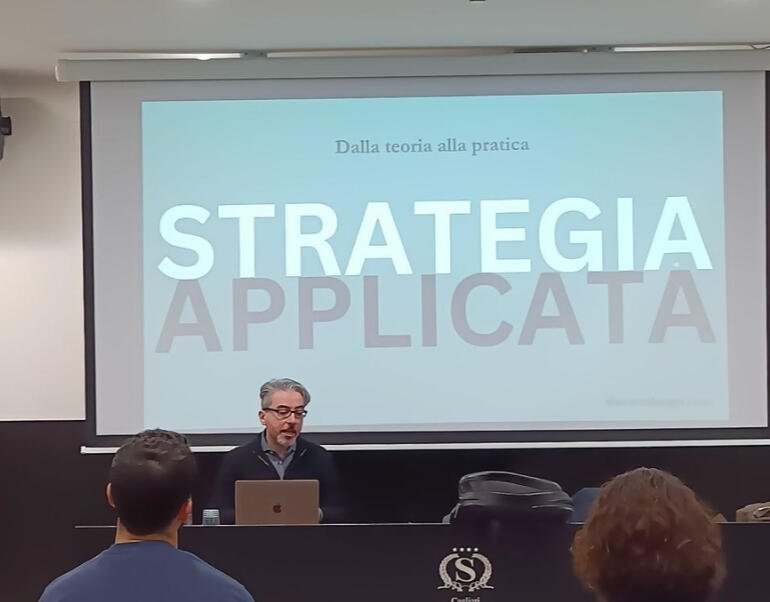
He has developed structured frameworks designed to eliminate ambiguity in complex environments and guide organizations toward coherent decision-making.
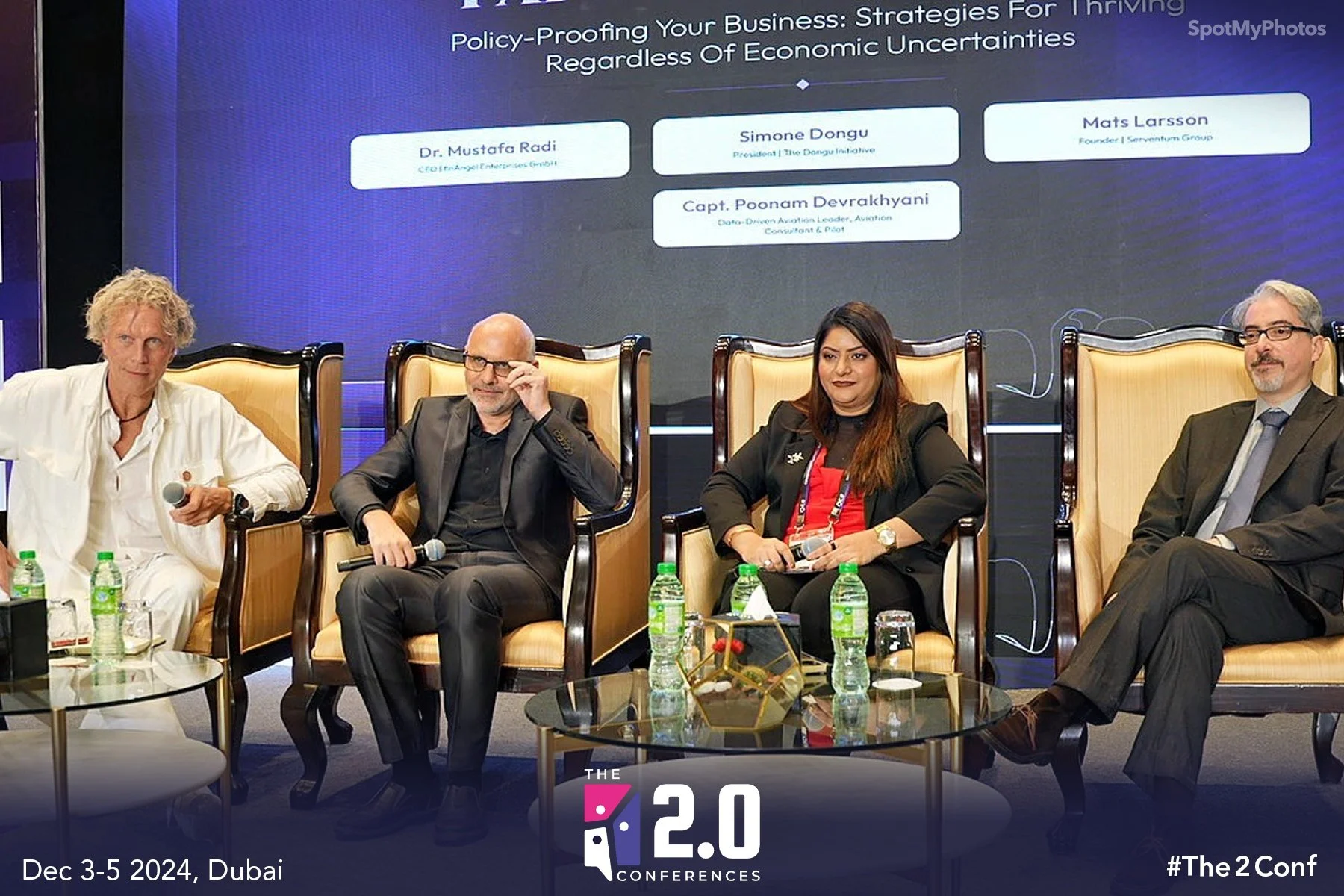
Through conferences, leadership forums, and educational initiatives, he shares principles of strategic thinking and governance architecture worldwide with entrepreneurs, executives, and institutions.
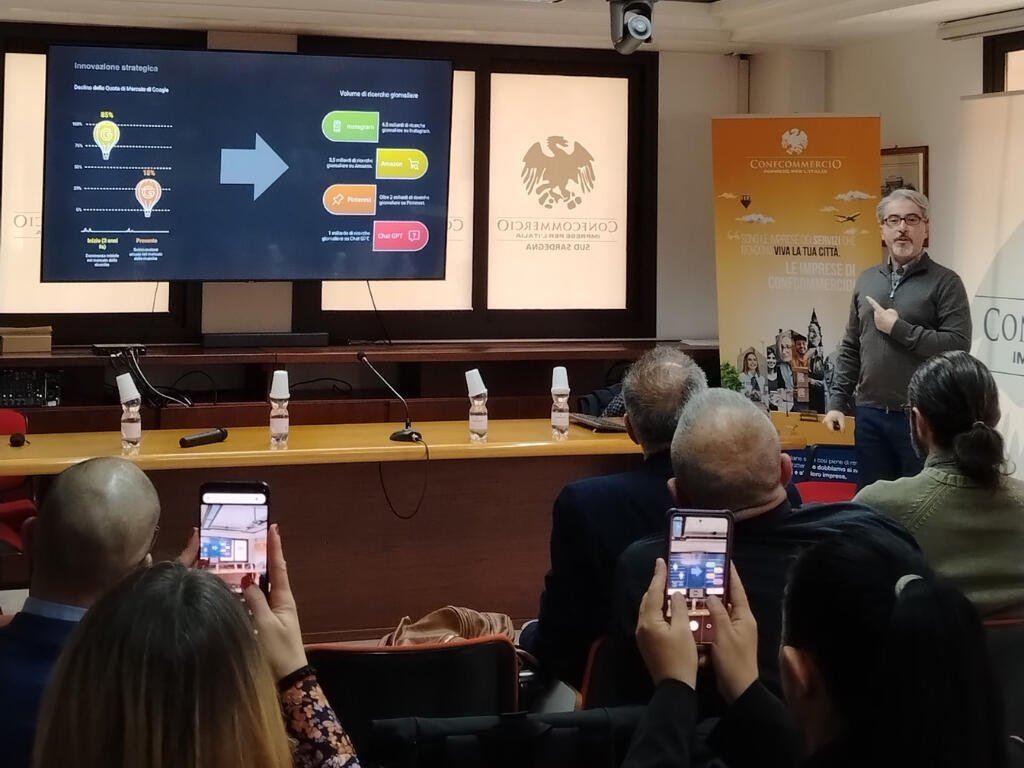
He collaborates with professional associations and institutions where governance structures and strategic clarity are essential for long-term development.

He has founded and developed multiple ventures focused on technology, infrastructure, and strategic services — environments where strategic principles are continuously tested and refined.
PRINCIPLES
Clarity precedes complexity
1
Strategic confusion almost always begins with an imprecise definition of the goal.
Strategy must be grounded in reality
2
Decisions built on assumptions inevitably drift toward fantasy.
Execution reveals truth
3
Ideas acquire value only when translated into disciplined action.
Structure prevents decay
4
Systems without deliberate architecture gradually lose coherence.
Achievement alone is insufficient if the structures protecting it weaken.
Complacency silently erodes successful systems.
Success must be defended
5
Attention prevents drift
6
Strategic Inquiries
For governance advisory engagements, institutional collaborations or speaking invitations.